
When Is the Best Time to Trim Trees? A Seasonal Guide for Healthier, Safer Landscapes
Trees are one of the biggest investments in any landscape, and how they are cared for over the years determines whether they stay healthy, structurally sound, and safe near homes and driveways. One of the most common questions property owners ask is simple: when is the best time to trim trees? The answer depends on the species, the goal of the pruning, and the tools being used to do the job correctly.

Whether you are managing a single backyard oak or maintaining a large residential or commercial property, understanding the right timing and techniques can prevent disease, reduce storm damage, and extend the life of your trees. If you are already searching for tree trimming near me or comparing options for tree trimming service near me, this guide will help you understand not just when to trim, but who to trust with the job.
Why Timing Matters for Tree Trimming
Trimming a tree at the wrong time of year does not just look bad, it can actually harm the tree. Trees respond differently to pruning depending on their growth cycle, sap flow, and exposure to pests or disease at different times of year.
Tree Health and Growth Cycles
Trees go through active growth periods, typically spring and summer, followed by dormancy in late fall and winter. Cutting into a tree during active growth can stress it, slow healing, and make it more vulnerable to insects and fungal infections. Pruning during dormancy, on the other hand, allows the tree to seal wounds naturally once growth resumes, with far less risk of disease transmission.
Safety Considerations
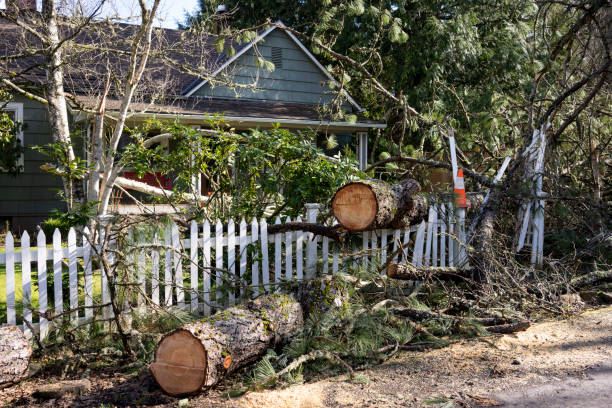
Beyond tree health, timing also affects safety. Overgrown or dead branches near power lines, rooflines, or walkways become more hazardous during storm season. Waiting too long to trim can mean dealing with fallen limbs after a storm rather than preventing the problem in the first place. This is one of the biggest reasons property owners look for tree care after severe weather rather than scheduling routine maintenance in advance, which usually costs less and reduces risk significantly.
Best Time to Trim Trees by Season
There is no single answer that applies to every tree species, but there are general guidelines that apply to most deciduous and evergreen trees found in residential landscapes.
Winter Trimming (Dormant Season)
Late winter, typically January through March, is widely considered the best time to trim most deciduous trees. With no leaves on the branches, it is easier to see the tree's structure and identify weak, crossing, or damaged limbs. Because the tree is dormant, it experiences less stress, and wounds heal faster once spring growth begins. Winter pruning is also less likely to attract pests or spread disease compared to trimming during warmer months.
Spring Trimming
Spring is generally not the ideal time for major pruning, since trees are pushing out new growth and using stored energy reserves. However, light trimming to remove dead or storm damaged branches is fine at any time of year. Flowering trees that bloom in early spring are often best trimmed immediately after their blooms fade so next year's flower buds are not accidentally removed.
Summer Trimming
Summer trimming is useful for shaping trees and controlling growth rate, since it is easier to see which limbs are drawing too much energy away from the rest of the canopy. It is also a good time to remove hazardous limbs that could fail under the weight of full summer foliage during storms. That said, heavy pruning during peak summer heat can stress the tree, so it is generally reserved for maintenance trimming rather than major structural cuts.
Fall Trimming
Fall is typically the least recommended season for tree trimming. Cuts made in autumn heal more slowly because the tree is preparing for dormancy, and fresh wounds can attract fungal spores that are more active during this season. Most arborists recommend limiting fall work to removing obviously dead, diseased, or hazardous branches rather than routine shaping.
Tree Trimming Tools You Should Know About
Choosing the right tree trimming tools matters just as much as timing. Using the wrong tool, or using the right tool incorrectly, can damage the tree and create safety risks for whoever is doing the cutting.
Hand pruners are suited for small branches under an inch in diameter and are commonly used for shaping shrubs or young trees. Loppers offer more leverage for branches up to about two inches thick. For higher branches, pole saws and pole pruners allow trimming without climbing, though they require careful handling to avoid overreaching. Pruning saws are designed for thicker limbs that loppers cannot handle cleanly, while chainsaws are reserved for larger branches and should only be used by someone trained in proper cutting technique and safety procedures.
When DIY Trimming Isn't Enough
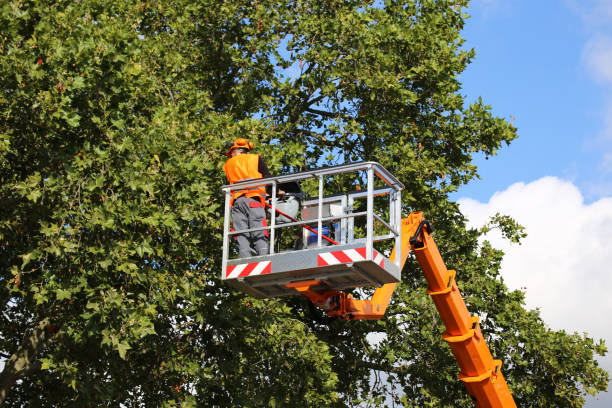
Small, low branches on young trees are usually manageable for property owners with the right tools and basic knowledge. However, several situations call for professional tree trimming and pruning services rather than a DIY approach:
Branches that are too high to reach safely from the ground
Limbs growing near or through power lines
Trees showing signs of disease, decay, or structural weakness
Large-scale storm damage cleanup
Trees close to structures, driveways, or walkways where falling limbs pose a risk
If any of these apply to your property, looking into a tree pruning services near me option is a reasonable first step, but it is worth understanding what separates a reliable company from one that may cut corners on safety or technique.
How to Choose the Right Tree Trimming Company: A Complete Hiring Checklist
Hiring the right tree care provider involves more than comparing price quotes. A poorly executed trim can damage a tree permanently, while an unqualified crew working at height creates real safety liability for the property owner. Here is a checklist to work through before hiring anyone for tree trimming or pruning work.
Licensing and Certification
Confirm that the company holds the appropriate business licensing required in your state or municipality. Licensing indicates that the business meets basic legal and operational standards, and it gives you recourse if something goes wrong during the job.
Insurance Coverage
This is one of the most overlooked but important factors. A tree service should carry both liability insurance and workers' compensation coverage. Liability insurance protects your property if something is damaged during the job, while workers' compensation protects you from liability if a worker is injured on your property. Never hire a company that cannot provide proof of both.
Certified Arborist Expertise
Look for companies that employ or consult with a certified arborist, someone trained specifically in tree biology, health, and proper pruning techniques. An arborist can identify disease, structural weaknesses, and root issues that an untrained crew might miss, and can recommend a trimming schedule based on species and growth patterns rather than a generic approach.
Landscaping and Tree Care Experience
A company's track record matters. Ask how long they have been operating, request references or examples of past work, and look for reviews specific to tree trimming and pruning rather than general landscaping. Experience with a wide range of tree species and property types is a good sign that a company can handle your specific situation correctly.
Long-Term Property Maintenance Plans
The best tree service relationships are not one-time transactions. A company that offers ongoing maintenance plans, seasonal check-ins, and follow-up care demonstrates a commitment to the long-term health of your landscape rather than just completing a single job. This is particularly valuable for properties with mature trees, multiple species, or a history of storm damage.
Tree Trimming and Pruning Services Near You
For property owners in the Culpeper area, working with a local provider has real advantages. A company familiar with the regional climate, common tree species, and typical seasonal weather patterns can time trimming work more accurately than a generic national provider.
Bryce Tree Services offers tree pruning services culpeper residents rely on for both routine maintenance and larger structural work. If you are searching for tree care services culpeper property owners trust, local experience matters just as much as equipment and technique, since it means the crew understands how local soil conditions, storms, and seasonal changes affect tree health in this specific region.
For those comparing tree contractors near me or looking into a tree service in culpeper homeowners have used before, it is worth checking a company's full range of offerings, including both trimming and removal services, rather than assuming every provider handles the same scope of work.
Common Tree Trimming Mistakes to Avoid
Even well-intentioned trimming can cause long-term harm to a tree when done incorrectly. Some of the most common mistakes include: Over-pruning, or removing more than about 25 percent of a tree's canopy in a single season, which can stress the tree and reduce its ability to photosynthesize effectively.
Topping, which involves cutting main branches back to stubs, is another frequent mistake that weakens the tree's structure and often leads to unhealthy regrowth. Using dull or dirty tools can also cause ragged cuts that heal poorly and increase the risk of infection, which is why maintaining sharp, clean tree trimming tools is part of doing the job correctly, whether the work is done by a property owner or a professional crew.
Conclusion
The best time to trim trees generally falls during the dormant winter season for most species, though light maintenance and hazard removal can happen throughout the year as needed. Getting the timing right, along with using the correct tree trimming tools and techniques, protects both the health of the tree and the safety of the surrounding property. For larger jobs, storm damage, or trees near structures and power lines, working with a licensed and insured professional is the safer and more reliable option.
If you are planning seasonal tree maintenance or need a professional assessment of trees on your property, Bryce Tree Services is available to help with trimming, pruning, and long-term care plans suited to your landscape. Contact us today to schedule a consultation and get your trees ready for the season ahead.
Frequently Asked Questions
What is the best month to trim trees?
Late winter, typically January through March, is generally the best time for most deciduous trees since they are dormant and less prone to stress or disease during pruning.
Can trees be trimmed in the summer?
Yes, summer trimming is fine for light shaping and hazard removal, but heavy structural pruning is usually better suited to the dormant winter months.
What tree trimming tools are needed for small branches?
Hand pruners and loppers are typically sufficient for branches up to about two inches in diameter, while larger limbs require pruning saws or professional equipment.
How do I know if a tree trimming company is qualified?
Check for proper licensing, liability and workers' compensation insurance, certified arborist involvement, and verifiable experience with tree species similar to those on your property.
How often should trees be professionally trimmed?
Most mature trees benefit from professional trimming every two to three years, though younger trees or those near structures may need more frequent attention.


Comments