
What Happens After Stump Grinding? How to Restore the Area for New Landscaping
You had a tree removed. Now a stump sits in your yard. It is an eyesore. It can also be a tripping hazard. Many homeowners choose stump grinding to solve this problem. But what happens after the grinding is done?
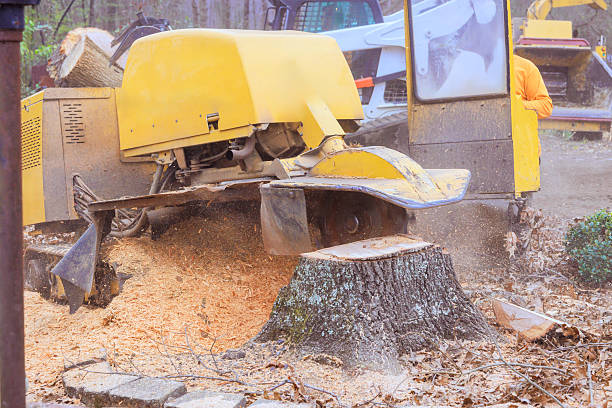
This guide explains the process. It covers what remains after grinding. It also shows you how to prepare the area for grass, plants, or new landscaping. If you are planning stump removal soon, this article will help you know what to expect. Bryce Tree Services has helped many homeowners through this exact process, from grinding to replanting.
What Is Stump Grinding
Stump grinding uses a machine to break down a tree stump. The machine has a spinning wheel with sharp teeth. It grinds the wood into small chips. This method works below the surface too. It removes the stump several inches under the ground.
Stump grinding differs from full stump removal. Full removal pulls out the entire root system. Grinding only breaks down the visible stump and some roots close to the surface. Most homeowners choose grinding. It is faster. It is also less disruptive to the surrounding yard.
What Remains After Stump Grinding
Many people assume the ground is clear right after grinding. That is not always true. Here is what you can expect to see once the work is done.
A Mound of Wood Chips
The grinding process creates a pile of wood chips and sawdust. This mound sits where the stump used to be. It can look messy at first. But these chips are useful. They can be used as mulch in other parts of your yard.
A Shallow Depression
Once the chips are cleared, you may notice a dip in the ground. This happens because the stump and some roots took up space underground. As that wood is gone, the soil settles. This depression needs to be filled before you plant anything new.
Remaining Root Pieces
Grinding removes the stump and the top layer of roots. But deeper roots often stay in the ground. These roots will decay over time. They do not usually interfere with grass. Larger plants or trees may need a clearer root free area
.
Step by Step Guide to Restoring the Area
Once your stump removal is complete, follow these steps to prepare the area for new landscaping.
Step 1: Remove the Wood Chip Pile
Start by clearing away the large pile of wood chips. You can shovel them into a wheelbarrow. Keep the good chips for mulch elsewhere in your garden. Discard any that look too broken down or mixed with dirt.
Step 2: Fill the Depression
Next, fill the hollow area with topsoil. Use a soil mix that matches the rest of your yard. Add the soil in layers. Pack each layer down gently. This prevents the ground from sinking again later.
Step 3: Check for Remaining Roots
Look for any large root pieces close to the surface. Small roots can stay and decay naturally. Larger roots should be removed if you plan to plant something in that exact spot. A shovel or root saw can help with this task.
Step 4: Level the Ground
Once the hole is filled, rake the area flat. Make sure it matches the level of the surrounding yard. This step matters for drainage. It also helps grass grow evenly across the space.
Step 5: Decide on Your Landscaping Plan
Now the ground is ready. You can choose what comes next. Options include new grass, flower beds, shrubs, or a garden feature. Your choice may affect how much soil prep you need to do.
Table: What to Plant After Stump Grinding
Landscaping Option | Soil Prep Needed | Best Time to Start |
New grass seed | Light topsoil layer, level ground | Spring or early fall |
Sod installation | Firm, level soil base | Spring through early fall |
Flower beds | Remove remaining roots, add compost | Spring |
Shrubs or small trees | Clear root free planting hole | Fall or early spring |
Mulch bed or garden feature | Minimal, just level the area | Any season |
This table gives a general idea. Your exact timeline may depend on your local climate and soil type.
How Long Should You Wait Before Planting
Many homeowners want to plant right away. But a little patience helps. Give the soil at least a few weeks to settle after filling the depression. This allows the ground to compact naturally. Planting too soon can lead to uneven settling later.
If you plan to plant grass, wait until the topsoil is level and firm. If you plan to plant a tree or shrub, make sure any leftover roots have been cleared from the planting hole first.
Common Mistakes Homeowners Make After Stump Grinding
A few mistakes are common when restoring the area. Avoiding them saves time and effort later.
Skipping the soil fill step is a common issue. Many people plant grass seed directly over the depression. This leads to a sunken patch once the seed grows. Ignoring leftover roots is another mistake. Roots left too close to the surface can interfere with new plant growth. Rushing the timeline can also cause problems. Planting too soon after grinding does not give the soil time to settle properly. Taking a slower, careful approach avoids these issues. It also gives your new landscaping a better chance to thrive.
Stump Grinding vs Full Stump Removal
Homeowners often ask which option is better. The answer depends on your landscaping goals. Stump grinding is faster and less expensive. It works well if you plan to plant grass or shallow rooted plants. Full stump removal takes longer. It costs more too. But it clears the entire root system.
This option works better if you plan to plant a new tree in the exact same spot, or if you want to build something like a patio or walkway over that area.
If you are unsure which option fits your yard, a professional can help you decide based on your soil and landscaping goals.
Why Hire Professional Stump Grinding Services
Some homeowners consider renting a grinder and doing the job themselves. This can work for very small stumps. But for most yards, hiring stump grinding services is a safer, more efficient choice.
Professional equipment handles large stumps more easily. Trained crews also know how deep to grind based on your future landscaping plans. This matters if you plan to plant something with deep roots later. A rushed DIY job can leave the area uneven or leave too many roots behind.
If you search for stump grinding companies near me, look for a provider with clear pricing and experience across different stump sizes. Ask whether cleanup is included in the service, since chip removal and soil leveling can add extra time to the job.
Choosing the Right Stump Removal Service
When comparing stump removal services, homeowners should look beyond price alone. A good provider explains the full process. They also tell you what to expect once the work is finished.
Ask about the depth of grinding. Some jobs only grind a few inches down. Others grind much deeper, which is important if you plan to plant a new tree in that spot. Ask whether the crew clears away the wood chips or leaves them for you to manage. Also confirm if soil filling is part of the service or an added cost.
Bryce Tree Services offers tree stump grinding service options based on your landscaping goals, not a one size fits all approach. This helps homeowners avoid extra work later.
Affordable Stump Grinding Without Cutting Corners
Cost is often a top concern for homeowners. It is possible to find affordable stump grinding without sacrificing quality. The key is comparing quotes carefully. Ask what is included in the price. A lower quote may not include chip cleanup or soil leveling. This can lead to extra costs later if you hire someone else to finish the job. A slightly higher quote that includes full cleanup often saves money and time in the long run.
If you are budgeting for a tree stump removal service, ask for a written estimate. This should outline exactly what is covered, from grinding depth to debris removal.
Preparing Multiple Stumps for Landscaping
Some properties have more than one stump to deal with, especially after storm damage or a larger tree removal project. In these cases, planning ahead saves time.
Group nearby stumps together for a single grinding visit if possible.

This can reduce costs compared to scheduling separate appointments. Decide on your landscaping plan for each area before the crew arrives. This helps them grind to the right depth for your specific plans. If you are searching for stump grinding services near me to handle multiple stumps, ask if the company offers a package rate for larger jobs.
Long Term Yard Health After Stump Grinding
Restoring the area properly supports long term yard health. Leftover wood chips, if left too thick, can affect soil drainage. Clearing them and replacing with proper topsoil helps water move through the soil correctly. This supports healthier grass and plant roots over time.
Decaying root pieces left deep in the soil are usually not a problem. They break down naturally and can even add organic matter back into the ground. The key is making sure the surface level area is properly filled, leveled, and ready for whatever you choose to plant.
Conclusion
Stump grinding clears the way for a cleaner, safer yard. But the work does not end once the machine stops. A pile of wood chips, a shallow depression, and some leftover roots are common after the process. Clearing the chips, filling the hole, checking for roots, and leveling the ground are all important steps before you plant anything new.
Whether you are planning new grass, a flower bed, or a small tree, taking the time to restore the area properly leads to better results. If you need help with stump grinding, stump removal, or preparing your yard for new landscaping, contact us today. The team at Bryce Tree Services can walk you through the process from start to finish, including what to expect once the grinding is complete.
Frequently Asked Questions
1. How long after stump grinding can I plant grass?
Wait a few weeks after filling and leveling the soil. This allows the ground to settle. Planting too soon can lead to an uneven patch as the soil compacts naturally over time.
2. Do all the roots get removed during stump grinding?
No. Stump grinding removes the visible stump and roots close to the surface. Deeper roots often remain in the ground and decay naturally over time without affecting grass or shallow rooted plants.
3. What should I do with the wood chips left after grinding?
The chips can be used as mulch in garden beds or around other plants. If you plan to fill the area with topsoil for grass or planting, it is best to remove most of the chips first.
4. Is stump grinding better than full stump removal?
It depends on your plans. Grinding is faster and more affordable, and works well for grass or shallow plants. Full removal costs more but clears the entire root system, which is better if you plan to plant a new tree in the same spot.
5. Can I plant a new tree where a stump was ground?
Yes, but you may need to clear additional roots from the planting hole first. For deep rooted trees, full stump removal is sometimes a better option to ensure enough clear space for healthy root growth.
Comments