
Tree Pruning Services Culpeper: When Should You Prune or Trim Your Trees?
Trees do not always tell you when they need attention. A branch might hang a little lower each year. Bark might thin in one spot. These small changes are easy to miss. But regular tree pruning keeps a tree healthy. It also keeps your property safe. Many homeowners are unsure when pruning is enough. They also wonder when full trimming is needed. If your trees have not been checked in a while, tree pruning services in culpeper can help you figure out where to start.
This guide explains the difference between removing dead branches and broader structural pruning. It also covers when each approach makes sense for your trees.

Why Regular Tree Pruning Matters
A tree grows on its own. But growth does not always happen in a healthy way. Branches can cross and rub against each other. Weak limbs can form in awkward spots. Diseased sections can spread if left untouched. Regular tree pruning addresses these issues before they get worse.
Pruning also improves airflow through the canopy. Better airflow reduces the risk of fungal disease. It helps sunlight reach lower branches too. This supports even growth across the whole tree. Without regular care, a tree can develop structural weaknesses. These weaknesses often go unnoticed until a storm or heavy wind exposes them.
Deadwood Pruning vs Structural Pruning
Homeowners often use the terms pruning and trimming without knowing the real difference. Understanding these two approaches helps you know what your trees actually need.
What Is Deadwood Pruning
Deadwood pruning focuses on removing dead, dying, or diseased branches. These branches no longer contribute to the tree's growth. They can pose a safety risk if they fall. Deadwood pruning is usually a smaller, more targeted job. It does not change the tree's overall shape. It simply removes what is no longer healthy.
This type of pruning is often needed on mature trees. Older trees naturally develop some dead branches over time. Regular deadwood pruning keeps these branches from building up. It also reduces the chance of disease spreading from dead wood into healthy sections.
What Is Structural Pruning
Structural pruning takes a broader approach. It looks at the tree's overall shape and growth pattern. This method addresses crossing branches, weak limb attachments, and uneven weight distribution. The goal is to guide the tree toward a stronger, more balanced structure.
Structural pruning is especially important for younger trees. Early shaping helps prevent problems later in life. For mature trees, structural pruning can correct issues that developed from years of unmanaged growth. This might include reducing a heavy limb or thinning a dense section of canopy.
Signs Your Tree Needs Pruning or Trimming
Not every tree needs the same level of care. But certain signs suggest it is time to schedule tree trimming or pruning.
Branches that are visibly dead, brittle, or bare compared to the rest of the canopy
Limbs that cross or rub against each other
A canopy that has become dense and blocks sunlight from reaching lower branches
Branches growing too close to a roof, power line, or structure
Uneven weight distribution, with one side of the tree noticeably heavier
Visible cracks or weak attachment points where large limbs meet the trunk
Slower growth or fewer leaves compared to previous seasons
If you notice several of these signs, it is worth having a professional take a closer look. Some issues are easy to spot. Others, like weak internal attachments, are harder to catch without training.
When Deadwood Pruning Is the Right Choice
Deadwood pruning works well when the tree's overall structure is sound, but specific branches have died or become diseased. This is common in older trees that have gone a few years without maintenance. It is also common after a period of drought or stress, which can cause certain branches to decline while the rest of the tree stays healthy.
This type of pruning is generally quicker and less invasive than full structural work. It focuses only on what needs to come off, leaving the healthy parts of the tree untouched. Regular deadwood pruning, done every year or two, can prevent small issues from turning into larger safety concerns.
When Structural Pruning Is Necessary
Structural pruning becomes necessary when the tree's shape or growth pattern poses a risk, even if the tree is otherwise healthy. Signs that point to this need include heavy limbs growing at odd angles, dense growth that blocks light and airflow, or branches that have started to rub and wear against each other.
Young trees benefit significantly from early structural pruning. Establishing a strong branch structure while the tree is still developing reduces the chances of major problems later. For mature trees, structural pruning can correct years of unmanaged growth, though this often requires a more careful, gradual approach to avoid stressing the tree.
How Often Should Trees Be Pruned
The right pruning schedule depends on the tree's age, species, and condition. As a general guide:
Young trees benefit from light structural pruning every one to two years to establish good shape early.
Mature, healthy trees typically need pruning every two to three years, focusing on deadwood removal and minor shaping.
Trees showing signs of stress or damage should be assessed sooner, regardless of the usual schedule.
Trees near structures or power lines may need more frequent trimming to manage growth in sensitive areas.
Sticking to a consistent schedule helps catch small issues before they require more significant work. It also supports the long term health of the tree, rather than addressing problems only after they become obvious.
The Risks of Skipping Regular Pruning
Ignoring tree pruning for an extended period can lead to several problems. Dead branches accumulate and become more likely to fall, particularly during storms or high winds. Crossing limbs continue to rub, creating wounds that can allow disease or pests to enter the tree. Dense, unmanaged canopies reduce airflow, increasing the risk of fungal growth.
Over time, these issues compound. What could have been addressed with a simple deadwood pruning session may develop into a larger structural problem. In more serious cases, a neglected tree can develop weaknesses significant enough to require closer monitoring or even removal, particularly if the tree is located near a home or frequently used area.
Why Professional Tree Trimming Matters
Pruning a tree correctly requires more than just cutting off visible dead branches. Poor pruning technique can actually harm a tree, encouraging weak regrowth or creating wounds that heal slowly. Over pruning, sometimes called topping, can seriously damage a tree's long term health and structure.
A professional tree trimming service understands where and how to make cuts that support healthy regrowth. This includes knowing which branches to prioritise, how much to remove in a single session, and how to avoid stressing the tree unnecessarily. This knowledge matters most for larger or older trees, where mistakes are harder to reverse.
If you are looking for tree trimming near me or a tree trimming service near me, choosing a provider with proper training and experience helps protect your trees rather than accidentally causing further damage through incorrect technique.
Choosing Between Pruning and Trimming Services
Homeowners often search for tree pruning near me when they notice specific dead or damaged branches. Others look for broader tree trimming and pruning services when they want a full assessment of their tree's health and structure. Understanding which category your trees fall into helps you communicate more clearly with a provider and get the right service for your situation.
For homeowners unsure where to start, requesting a general inspection is often the simplest approach. A qualified provider offering tree pruning services near me can assess your trees and recommend whether deadwood removal, structural pruning, or a combination of both is the right fit.
Maintaining Tree Health Between Pruning Sessions
Pruning is an important part of tree care, but it works best alongside other good habits. Watering trees appropriately during dry periods helps reduce stress that can lead to dead branches. Avoiding soil compaction near the root zone supports healthy root growth. Watching for early signs of pests or disease allows you to address problems before they require extensive pruning to correct.
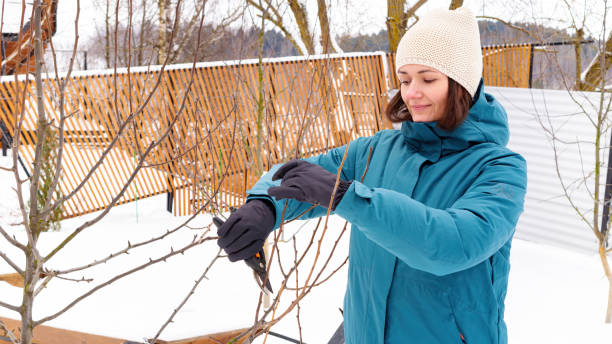
Combining these habits with a consistent pruning schedule helps trees stay strong and reduces the likelihood of needing more significant intervention down the line.
Working With a Local Tree Care Provider
Local knowledge matters when it comes to tree care. Soil conditions, common tree species, and typical weather patterns all vary by region, and these factors influence how and when trees should be pruned. A provider familiar with the local area can offer more accurate guidance than general advice alone.
Homeowners searching for tree service culpeper, culpeper tree service, or tree service culpeper va benefit from working with a team that understands the specific needs of trees in this region. A provider offering broader tree services culpeper va, alongside general tree care services, can also help you plan pruning around other maintenance needs your property may have. For a full overview of available options, visiting Bryce Tree Services is a useful starting point before booking a service.
Conclusion
Understanding the difference between deadwood pruning and structural pruning helps you make better decisions for your trees. Deadwood pruning addresses dead or diseased branches, while structural pruning focuses on the tree's overall shape and long term strength. Both play an important role in keeping trees healthy and reducing the risk of storm damage or unexpected failure.
Bryce Tree Services, a trusted professional tree service in the local area, works with homeowners to assess trees and recommend the right pruning approach based on their specific condition. If your trees are due for attention, reach out through the contact page to schedule an assessment and keep your property looking its best.
Frequently Asked Questions
1. What is the difference between tree pruning and tree trimming?
Tree pruning generally refers to removing specific branches for health reasons, such as dead or diseased wood. Tree trimming often refers to shaping a tree or managing its size, though the terms are frequently used together in practice.
2. How do I know if my tree needs deadwood pruning or full structural pruning?
If the issue is limited to a few dead or diseased branches, deadwood pruning is usually enough. If the tree's overall shape, weight distribution, or growth pattern is a concern, structural pruning is likely needed. A professional assessment can confirm which applies.
3. Can pruning too much harm a tree?
Yes, removing too many branches at once, or cutting them incorrectly, can stress a tree and lead to weak regrowth. Proper technique and timing matter as much as the decision to prune.
4. How often should mature trees be pruned?
Most mature, healthy trees benefit from pruning every two to three years. Trees showing signs of stress, damage, or dense growth may need more frequent attention.
5. Is it worth hiring a professional for tree pruning instead of doing it myself?
For small, easily reachable branches, some homeowners handle basic trimming themselves. However, larger branches, structural pruning, or work near power lines and structures are safer and more effective when handled by an experienced tree service.
Comments