
Professional Tree Removal Service vs DIY Tree Cutting: What's Safer?
Removing a tree seems straightforward from a distance. Cut it down, clear the debris, and the job is done. In reality, tree removal is one of the more dangerous tasks a property owner can attempt without proper training, and it is also one of the most commonly underestimated. Every year, DIY tree removal attempts result in property damage, serious injury, and in some cases death, often because the person cutting the tree did not fully understand how the tree would fall or how much force was involved.
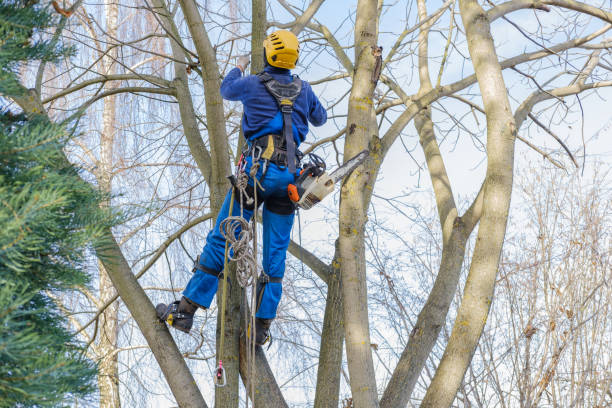
This article breaks down the real differences between professional tree removal and DIY tree cutting, covering the safety risks, equipment requirements, cost considerations, and the specific situations where hiring a professional tree removal service is not just recommended but necessary. If you are already comparing a tree removal service near me against handling the job yourself, this guide should make the decision clearer.
Why Tree Removal Is More Dangerous Than It Looks
A tree does not fall the way most people expect. Weight distribution, wind, internal decay, and the direction of the lean all affect how a tree behaves once the final cut is made. Even a tree that looks straightforward from the ground can have internal rot, weak root structure, or tension in the wood that causes it to fall unpredictably or split apart mid-cut.
Add to this the use of chainsaws, ladders, and sometimes climbing equipment, and the risk profile increases significantly. Most DIY tree removal injuries happen not from the cutting itself, but from falling limbs, unexpected tree movement, or loss of balance while working at height.
DIY Tree Cutting: What It Actually Involves
Before deciding whether to attempt tree removal yourself, it helps to understand what the process actually requires beyond simply owning a chainsaw.
Assessing the Tree Correctly
A safe removal starts with correctly reading the tree, its lean, weight distribution, nearby obstacles, and any signs of internal decay. Misjudging any of these factors is one of the most common causes of DIY tree removal accidents.
Planning the Fall Direction
Professionals use notch cuts and back cuts in a specific sequence to control the direction a tree falls. Without this technique, a tree can fall in an unintended direction, striking a structure, vehicle, or power line, or landing on the person doing the cutting.
Clearing the Escape Route
Before any cut is made, a safe retreat path needs to be planned and cleared. Many DIY accidents happen because the person cutting the tree has nowhere safe to move once the tree begins to fall.
Handling the Debris Safely
Once a tree is down, the work is not finished. Limbs under tension can snap unexpectedly when cut, and large sections of trunk require proper equipment to move safely without injury or property damage.
When DIY Tree Cutting Might Be Reasonable
Not every tree job requires a professional. Small trees, generally under 15 feet and with a trunk diameter of a few inches, growing in open areas away from structures, fences, or power lines, can sometimes be handled by a property owner with the right tools and basic knowledge. Dead saplings or small ornamental trees with no obstacles nearby fall into this lower-risk category as well.
Even in these situations, proper safety gear, including eye protection, gloves, and sturdy footwear, along with a clear understanding of fall direction, is necessary before making any cuts.
When Professional Tree Removal Is Necessary
Several situations move well beyond what a property owner should attempt without training and equipment.
Trees Near Structures or Power Lines
Any tree close enough to fall on a house, garage, fence, or power line should be handled by professionals. The margin for error is too small, and the consequences of a miscalculation can be severe, both physically and financially.
Large or Mature Trees
Trees over 20 to 30 feet tall, or with a significant trunk diameter, carry enough weight and force that even a small miscalculation can result in serious injury. Professional crews use specialized equipment, including rigging systems, to control how sections of a large tree come down safely.
Trees with Visible Decay or Disease
A tree that looks structurally compromised, with hollow sections, fungal growth, or significant dead wood, can behave unpredictably when cut. What looks like a straightforward removal can turn dangerous quickly if the internal structure is weaker than it appears from the outside.
Storm-Damaged or Leaning Trees
Trees damaged by recent storms, especially those leaning at an angle or with exposed roots, are under unusual stress and tension. Cutting into a tree in this condition without proper technique can cause it to shift or fall suddenly during the process. In these cases, contacting a provider for emergency tree removal culpeper residents rely on is a far safer option than attempting the work yourself.
Trees Requiring Permits
Some municipalities require permits for tree removal, particularly for large or protected species. A professional service typically understands local regulations and can help ensure the work is compliant.
The Real Cost of DIY Tree Removal Gone Wrong
The upfront cost of DIY tree removal is often the main reason property owners consider it. Renting or buying a chainsaw is far cheaper than hiring a crew. However, this comparison leaves out the potential costs of things going wrong.
Property damage from a tree falling on a structure, vehicle, or fence can far exceed the cost of professional removal. Medical costs from an injury, whether from a fall, a chainsaw accident, or being struck by a falling limb, can be significant and are not covered by any insurance if the work was done without proper precautions.
Homeowners insurance policies may also not cover damage caused by DIY tree work gone wrong, particularly if the removal was done improperly or without required permits.
What Professional Tree Removal Services Actually Include
A tree removal service typically covers more than just cutting the tree down. This usually includes a pre-removal assessment to evaluate the tree's condition, lean, and surrounding obstacles, along with a removal plan that accounts for nearby structures or utility lines. Controlled cutting and, when necessary, rigging to lower large sections safely rather than allowing them to fall freely is standard practice, as is full debris removal and hauling once the tree is down. Many companies also offer optional stump grinding to fully clear the area.
Bryce Tree Services provides this full scope of work, handling everything from initial assessment through complete site cleanup for properties across the region.

Emergency Tree Removal: Why Timing Matters
Storm damage is one of the most common reasons property owners need immediate professional help rather than a scheduled appointment. A tree that has fallen on a structure, is resting on a power line, or is leaning dangerously after a storm is not a safe DIY project under any circumstances.
If you are dealing with a hazardous tree situation, searching for a company offering emergency response is the safer path forward. Delaying removal of a compromised tree increases the risk of it falling unpredictably, particularly during additional wind or rain.
Choosing a Tree Removal Company in Culpeper
For property owners comparing options for tree removal in culpeper va or tree removal culpeper, it is worth confirming a few basics before hiring anyone. Licensing and insurance should be non-negotiable, since this protects both your property and you from liability if something goes wrong during the job. Ask whether the company has experience with the specific type and size of tree you need removed, and whether they can provide references or examples of similar work.
Bryce Tree Services has handled tree removal projects throughout the Culpeper area, offering services trusted by residents searching for tree service culpeper va or tree services culpeper va, whether the need is a single problem tree or ongoing property maintenance from a reliable culpeper tree service.
How to Decide: A Practical Checklist
Before deciding between DIY and professional tree removal, walk through these questions:
Is the tree within falling distance of a structure, vehicle, fence, or power line?
Is the trunk diameter larger than what a standard chainsaw can safely handle?
Are there visible signs of decay, disease, or storm damage?
Is the tree leaning or does it have exposed or damaged roots?
Would a permit be required for removal in your area?
Do you have proper safety equipment and training for the size of the job?
If the answer to any of these is yes, or if you are unsure, contacting a tree removal near me provider with proper licensing and insurance is the safer and more practical choice.
Conclusion
Professional tree removal offers a level of safety, technique, and equipment that DIY tree cutting simply cannot match, particularly for larger trees, trees near structures or power lines, or those showing signs of decay or storm damage. While small, isolated trees may be reasonable for an experienced property owner to handle, the risks of miscalculating a tree's fall, encountering internal decay, or lacking the right equipment make professional removal the safer choice in most situations.
If you have a tree on your Culpeper property that needs to come down, whether due to storm damage, disease, or simply being too close to a structure, Bryce Tree Services can assess the situation and handle the removal safely from start to finish. Contact us today to schedule an evaluation for your property in Culpeper.
Frequently Asked Questions
Is it safe to remove a tree myself?
Small trees in open areas away from structures may be manageable with proper equipment and technique, but larger trees, those near power lines, or trees showing decay should be handled by professionals.
How much does professional tree removal typically cost compared to DIY?
DIY has lower upfront costs but carries higher risk of property damage or injury, which can significantly exceed the cost of hiring a professional tree removal service from the start.
What size tree requires professional removal?
Trees over 20 to 30 feet tall or with a significant trunk diameter generally require professional equipment and rigging techniques to remove safely.
What should I do if a tree falls during a storm and is near power lines?
Stay away from the area entirely, treat any downed lines as live, and contact a professional emergency tree removal service immediately rather than attempting any cleanup yourself.
Do I need a permit to remove a tree?
Some municipalities require permits for removing certain tree sizes or species. A professional tree removal service can typically advise on local requirements before work begins.
Comments