
Emergency Tree Service After a Storm: What to Do Before Calling a Tree Removal Company
Severe storms can bring down large limbs, uproot entire trees, and leave property owners facing hazards they are not equipped to handle alone. Knowing what to do in the first few minutes and hours after storm damage can make the difference between a manageable situation and one that puts people or property at further risk. This guide walks through the safety steps, documentation process, and warning signs that indicate you need emergency tree service right away rather than waiting for a routine appointment.
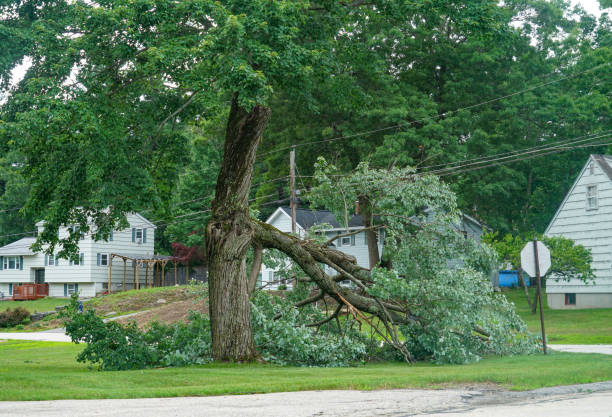
Whether a large limb has come down in your yard or an entire tree is leaning against your home, understanding what to check before calling a tree removal service can help you stay safe and make the process smoother once professional help arrives. If the situation is urgent, looking for tree removal near me providers with emergency response capability should be one of your first steps once immediate safety is confirmed.
Why Storm Damage Requires a Different Response Than Routine Tree Care
Under normal conditions, tree issues develop slowly, giving property owners time to schedule an inspection or routine trimming. Storm damage is different. Trees and limbs can be under sudden, unpredictable tension, root systems may be partially pulled from the ground without the tree fully falling, and structural weaknesses that were not visible before the storm can suddenly become serious hazards. This is why storm-related tree problems are treated as emergencies rather than routine maintenance, and why immediate emergency tree work often requires different handling than a scheduled trim.
Step 1: Prioritize Safety Before Anything Else
The first hour after a storm is the most dangerous time to be near damaged trees. Adrenaline and the urge to start cleaning up can lead people to approach hazards before they have been properly assessed.
Stay Away From Downed Power Lines
Any power line touching a tree or limb should be treated as live, even if it appears inactive or the power is out in the area. Keep a safe distance, keep children and pets inside, and contact the utility company immediately to report the hazard. Do not attempt to move a branch or limb that is in contact with any wire.
Watch for Hanging or Partially Broken Limbs
Limbs that are cracked but still attached to the tree, sometimes called hangers, are especially dangerous because they can fall without warning, long after the storm has passed. Avoid standing or working underneath any tree with visible hanging limbs until it has been professionally assessed.
Check for Structural Instability
Look for trees that are leaning at an unusual angle, have visibly lifted or exposed roots, or show a split or cracked trunk. These are signs that the tree could fail completely, even if it is still standing, and the area around it should be treated as off-limits until a professional evaluates it.
Avoid Using Damaged Equipment or Structures
If a tree has fallen on a shed, deck, fence, or vehicle, avoid entering or using that structure until it has been checked for stability. Weight from a fallen tree can compromise a structure in ways that are not immediately obvious.
Step 2: Document the Damage for Insurance Purposes
Once the immediate area is confirmed safe to approach from a distance, documentation becomes the next priority, ideally before any cleanup begins.
Take Clear Photographs
Photograph the damage from multiple angles, including wide shots showing the tree in relation to your home or other structures, and closer shots of specific damage such as cracked trunks, broken limbs, or impact points. Photograph any damaged property separately, including roofing, siding, fencing, or vehicles.
Note the Date and Time
Insurance claims often require a clear timeline of when the damage occurred. If you have any record of the storm itself, such as local weather alerts or news coverage, keeping that alongside your photos can help support your claim.
Contact Your Insurance Provider Early
Many homeowners policies cover storm-related tree damage, particularly when a tree falls on a structure, but coverage details vary. Contact your insurance provider as soon as possible after documenting the damage, and ask specifically what is covered, including debris removal, structural repair, and whether removal of the tree itself is included.
Keep Records From Your Tree Service Provider
Once a professional tree removal service assesses or removes the tree, keep copies of the estimate, invoice, and any written assessment of the damage. This documentation is often needed to finalize insurance claims and can also serve as a record for future reference if similar issues arise.
Step 3: Identify When Immediate Professional Removal Is Required
Not every piece of storm debris requires an emergency response, but certain situations should never be handled without a professional.
Situation | Action Needed |
Tree resting on power lines | Contact utility company and emergency tree service immediately |
Tree fallen on a structure | Do not enter the structure, call for emergency assessment |
Large hanging or cracked limbs overhead | Avoid the area, schedule urgent removal |
Leaning tree with exposed roots | Treat as unstable, keep clear until inspected |
Split or cracked trunk | Requires professional evaluation before any further movement |
Debris blocking emergency access | Prioritize immediate clearing for safety access |
Small fallen branches, no structural risk | Can typically wait for standard scheduling |
Step 4: What Happens When You Call an Emergency Tree Service
Understanding what to expect once you contact a professional can help reduce stress during an already difficult situation.
Initial Assessment Over the Phone
Most companies will ask basic questions to gauge urgency, including whether the tree is on a structure or power line, whether anyone is in immediate danger, and how large the tree or limb involved is. Being ready with this information, along with your photos, helps the company prioritize and prepare the right equipment for your specific situation.
On-Site Safety Evaluation
Once on site, a professional crew will assess the tree's stability, check for tension in remaining limbs, and determine the safest method for removal, which may include specialized rigging for large sections near structures.
Safe Removal and Debris Handling
After the immediate hazard is addressed, the crew will typically remove all debris from the property, including limbs, trunk sections, and related material, leaving the site cleared and safe.
Follow-Up Recommendations
Many companies will also point out any additional risks noticed during the emergency visit, such as other trees on the property showing early signs of stress or damage that may need attention before the next storm.
Common Mistakes During Storm Cleanup
Several avoidable mistakes tend to happen in the rush to clean up after a storm. Attempting to cut a hanging or partially broken limb without proper equipment is one of the most dangerous, since these limbs can shift or fall unpredictably once cut. Standing underneath a leaning tree while assessing damage is another common error, since even a stable-looking lean can fail suddenly. Skipping photo documentation before cleanup begins can also complicate insurance claims later, since adjusters typically want to see the damage in its original state. Finally, using a chainsaw on storm-damaged wood without experience is particularly risky, since wood under tension behaves very differently than a tree cut under normal conditions.

Preventing Future Storm Damage
While no landscape is entirely storm-proof, some preventive steps can reduce the risk of major damage in future weather events. Regular trimming to remove dead or weak limbs before they become a hazard is one of the most effective preventive measures. Periodic inspections, particularly for older or larger trees, can catch early signs of decay or structural weakness before a storm puts additional stress on the tree. Property owners working with a tree care services in culpeper provider on a regular schedule tend to catch these issues earlier than those who only call after damage has already occurred.
Choosing the Right Emergency Tree Service Provider
When comparing options during an emergency, a few factors matter more than speed alone. Confirm the company carries proper licensing and insurance, since this protects your property and limits your liability if something goes wrong during an already hazardous removal. Ask whether the crew has specific experience with storm damage and hazardous limb removal, not just routine trimming, since the techniques and risk assessment involved are different. Response time matters as well, particularly if a tree is blocking access to your home or resting on a structure.
For property owners searching for tree removal in culpeper va or a tree removal service near me during an active emergency, working with a local provider familiar with the area's storm patterns and common tree species can also mean faster, more informed service. Bryce Tree Services provides emergency response for property owners across the region who need immediate, safe removal of hazardous trees and limbs after severe weather.
After the Emergency: Scheduling a Full Property Assessment
Once the immediate danger has been addressed, it is worth scheduling a broader assessment of the property, particularly if multiple trees were affected by the same storm. A tree contractors near me search can help identify local providers who offer both emergency response and routine maintenance, allowing you to address any remaining risk factors before the next major weather event. This is also a good time to evaluate whether other trees on the property show signs of stress that were not caused directly by the storm but may have been exposed by it.
Conclusion
Storm damage creates situations that require quick, careful decisions, starting with safety, followed by documentation, and finally professional removal when hazards are present. Staying away from power lines, avoiding unstable trees, and photographing damage before cleanup begins all help protect both people and property while supporting any insurance claims that follow. When a tree or limb poses an immediate risk, calling a qualified culpeper tree service rather than attempting removal yourself remains the safest choice.
If you are dealing with storm damage on your property, Bryce Tree Services offers emergency response and full tree removal services for homeowners and businesses throughout the Culpeper area. Contact us today for immediate assistance or to schedule a full property assessment after the storm has passed.
Frequently Asked Questions
What should I do first after a tree falls during a storm?
Prioritize safety by staying away from any downed power lines or unstable trees, then document the damage with photos before beginning any cleanup.
How do I know if a tree needs emergency removal?
A tree resting on a structure or power line, a split trunk, or a tree with exposed and lifted roots all indicate the need for immediate professional removal rather than routine scheduling.
Will my homeowners insurance cover storm-related tree damage?
Many policies cover tree damage to structures, but coverage varies, so contact your insurance provider directly and provide documentation of the damage as soon as possible.
Is it safe to remove hanging or broken limbs myself after a storm?
No, hanging limbs, sometimes called hangers, can fall unpredictably and are best left to a professional tree service with proper equipment and training.
How quickly can an emergency tree service respond after a storm?
Response times vary by provider and storm severity, but companies offering dedicated emergency tree service typically prioritize calls involving structures, power lines, or blocked access.
Comments