
Emergency Tree Removal: 7 Warning Signs Your Property Needs Immediate Attention
A tree can look fine one week. It can become a serious hazard the next. Storms, disease, and age all weaken trees. Often there are no obvious signs at first. Knowing what to look for matters. It can mean the difference between a small repair and a dangerous situation. If you suspect a tree on your property is unsafe, contact a professional tree service right away. A trained team can confirm if you need emergency tree removal.
This guide covers seven warning signs. Each one can signal the need for emergency tree removal. You will also learn what steps to take. We cover the tools professionals use. And we explain when to call for help instead of waiting.
Why Tree Emergencies Happen Without Much Warning
Trees are strong. But they are not indestructible. Internal decay often develops slowly. Root damage can happen out of sight. A tree can look healthy outside. Inside, it may be hollowing out. Heavy rain can push a weak tree past its limit. Strong wind can do the same. So can a dry season.
This is why regular checks matter. This is true especially after storms. Waiting until a tree visibly leans is risky. Waiting until it drops large branches is risky too. By then, damage has often reached a critical stage. Understanding early signs gives you time to act. It helps you avoid a true emergency tree removal situation.
7 Warning Signs Your Property Needs Emergency Tree Removal
1. Large Cracks in the Trunk
A crack along the trunk is a clear danger sign. This is especially true if it runs deep. It is also true if the crack is widening. Cracks weaken a tree's ability to hold its own weight. This risk grows during wind or storms. A trunk with a big crack needs quick inspection. It can fail with little extra warning.
2. A Tree Leaning More Than Usual
Some trees grow at a slight natural angle. But watch for a sudden lean. Also watch for a lean that has clearly grown worse. This often points to root damage. It can also mean soil erosion under the tree. A newly leaning tree needs urgent attention. This is especially true after heavy rain or wind. Treat it as a case for emergency tree removal until a professional says otherwise.
3. Exposed or Damaged Roots
Roots anchor a tree in the ground. They also supply water and nutrients. Watch for roots that are lifted, cut, or rotting. This means the tree's stability is at risk. This danger grows near driveways or walkways. It grows near buildings too. A fall in these spots can cause real damage.
4. Large Dead Branches Throughout the Canopy
A few dead branches are normal. They are usually not urgent. But watch for large sections of dead canopy. This signals a deeper health problem. Dead branches break more easily in wind. A mostly dead canopy often means the tree cannot recover.
5. Fungal Growth at the Base or Trunk
Watch for mushrooms at the base of a tree. Also watch for shelf-like fungus on the trunk. Both usually point to internal decay. Fungus feeds on dead or dying wood. So visible growth often means real damage. The structure has likely weakened from the inside.
6. Hollow Sounding Trunk or Visible Cavities
Try tapping the trunk. A hollow sound is a warning sign. So is a visible cavity. Both mean the tree has lost internal wood. A hollow trunk can still look sturdy outside. But it offers little real support. This sign is hard to catch without training. That is why an inspection helps.
7. Storm Damage With Split Limbs or Uprooted Sections
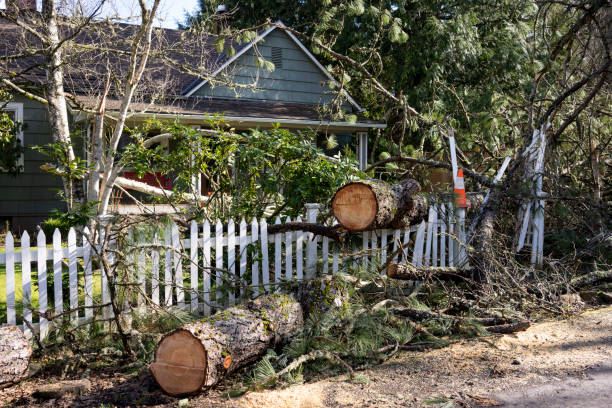
Check your trees after every storm. Look for split limbs still hanging in the canopy. Look for broken branches caught in nearby trees. Check if any roots have lifted from the ground. These situations often need emergency tree removal in culpeper services fast. Damage like this can worsen quickly. Hanging limbs are an immediate safety risk.
What to Do When You Notice a Warning Sign
Spotting a warning sign can feel stressful. Stay calm. Follow these steps to respond safely.
Keep a safe distance from the tree. This matters most if it is leaning or cracked. It also matters after storm damage.
Avoid DIY removal. Do not attempt this on trees with structural warning signs. It can be very dangerous without training.
Take photos of cracks, leaning, or fungal growth. This helps a professional assess things faster.
Restrict access to the area. Keep children, pets, and vehicles away until the tree is checked.
Call a professional tree service. This matters most if the tree sits near a structure or walkway.
Follow the advice given. This might mean pruning. It might mean cabling. Or it might mean full removal.
Acting early often stops a small issue from becoming a real emergency. If the tree already shows serious signs, search for tree removal near me or tree removal service near me. This connects you with a team that can respond fast.
Tools Professionals Use for Safe Tree Assessment and Removal
Removing a hazardous tree takes more than a chainsaw. Professionals use many specialised tree trimming tools. These tools help assess and manage risk safely.
Resistance drills or sounding tools check for internal decay without cutting the tree
Chainsaws with safety features, sized to match the tree
Rigging equipment, like ropes and pulleys, to control falling limbs
Cranes or bucket trucks for large trees or hard to reach spots
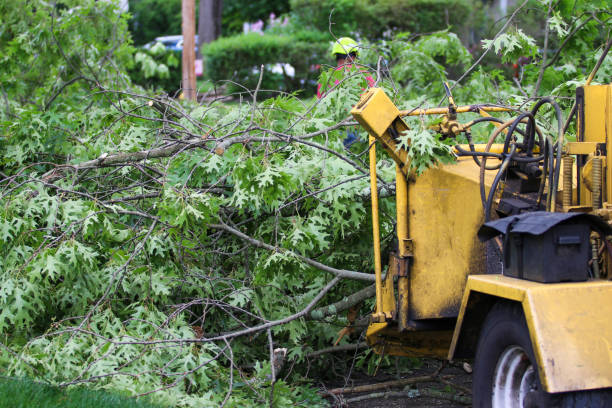
Chippers to process branches on site
Protective gear, including helmets, chaps, and harnesses, to keep workers safe
The right tree trimming tools matter. So does proper training. Together, they separate a safe removal from a dangerous one. This is why emergency tree removal should always go to trained professionals. This is especially true for large or unstable trees.
When Pruning Is Enough and When Removal Is Necessary
Not every warning sign means the whole tree must go. Often, targeted pruning solves the problem. The tree can then keep growing safely. Pruning works well for small, limited issues. This includes a single dead limb. It also includes minor storm damage that has not hit the trunk or roots. Removing just the affected part often stops further decline.
Full removal becomes necessary when the core structure fails.
This includes major trunk cracks. It includes heavy internal decay. It includes a badly leaning tree with root damage. It includes a canopy that is mostly dead. In these cases, pruning will not fix the real problem. The tree stays a hazard no matter how it is trimmed. Homeowners in this spot often search for a tree removal company near me or a professional tree removal service. A proper check confirms if emergency tree removal is truly needed before any work starts. A professional inspection gives the clearest answer. Visible signs do not always show the full extent of damage.
Preventing Future Tree Emergencies
You cannot predict every tree emergency. But regular care lowers the risk a lot. A few simple habits help keep trees safer over time.
Schedule routine checks, especially for older or larger trees
Prune dead or weak branches before they grow into a bigger hazard
Watch for changes after major storms, even if nothing looks wrong at first
Avoid soil compaction and root disturbance near mature trees
Deal with fungal growth or pests as soon as you spot them
Regular maintenance costs less than an emergency later. It also carries far less risk. Property owners who stay ahead of these problems, often through a steady tree service culpeper va relationship, tend to avoid the higher costs tied to last minute, reactive removals.
Why Professional Assessment Matters
Many warning signs are hard to judge without training. A slight lean might mean nothing. Or it might signal serious root failure. Small fungal growth might be minor. Or it could point to advanced decay. The stakes are high if you misjudge a hazardous tree. This is why a professional opinion is almost always worth it.
Bryce Tree Services helps property owners assess trees showing stress or damage. The team uses the right tools and experience. They determine if pruning, cabling, or emergency tree removal fits your situation best. Homeowners searching for tree services culpeper va or general tree care services benefit from this careful approach. It avoids unnecessary removals. It also avoids the risk of leaving a truly hazardous tree untreated.
Conclusion
Spotting the early signs of a tree emergency gives you time to act. Large trunk cracks are one clear sign. So is sudden leaning. Exposed roots matter too. So does heavy dead growth, fungal patches, hollow trunks, and storm damage. None of these signs should be ignored. Some issues need only careful pruning. Others need full emergency tree removal to keep your property and family safe.
Do any of these warning signs sound familiar? Do not wait for the next storm to find out how serious the damage really is. Contact Bryce Tree Services today. Get a hazardous tree properly assessed before it puts your home, driveway, or family at risk.
Frequently Asked Questions
1. How do I know if a tree needs emergency removal or just trimming?
Trimming is often enough for a single branch or minor damage. Removal is needed when the trunk, roots, or overall structure is compromised. A professional inspection can confirm which applies to your tree.
2. Is it safe to remove a leaning tree myself?
No. A leaning tree often means root or structural damage. This makes it unpredictable during removal. Leave this work to trained professionals with the right tree trimming tools and safety gear.
3. What should I do immediately after a storm damages a tree on my property?
Keep a safe distance. Restrict access to the area. Do not try to clear debris near the tree yourself. Call a professional to check if the tree is stable or needs emergency tree removal.
4. Can a tree with fungal growth be saved?
It depends on how far the decay has spread. Some trees recover with proper pruning if caught early. Trees with extensive internal decay may need removal for safety.
5. How often should trees be inspected to avoid emergencies?
An annual check is a good baseline. Add extra checks after major storms or extreme weather. Older or larger trees may need more frequent inspections.
Comments